
The two points from this week’s reading that really stood out to me were Calafell’s piece regarding theories of the flesh and Addison’s work, especially as it relates to maximizing objectivity.
Calafell’s piece has been by far my favorite piece we’ve read so far this semester. This was the first article I’ve read that discussed theories of the flesh. This feminist method seems like a very powerful tool for WOC sharing their experiences and as Calafell mentions, “give testimonies to the challenges faced by women of color in the academy and to demonstrate a trek for empowerment and agency within a hostile space” (p. 106).
Her article reminded me of my class in Taos learning about Chicana and Mestiza work. I especially remember a Chicanx poet sharing the story of Malintzin and his stance on the decisions she had to make (and then decisions she wasn’t allowed to make) as it related to relations with Cortés. When I was in Taos, I found myself really engaged with ChicanX and MestiX work. I think my interest stems from the absolute lack of hearing these voices growing up. As I’ve been looking at job postings, it seems that writing studies have started to add these voices in the English department. When I was in Taos, we spent a lot of time with Spencer Herrera who is the author of Sagrado who shared a lot of ChicanX history with us. My favorite experience in Taos was sitting down with two artists: Levi Romero and listening to his poetry and talking with Patricia Quintano about her activism work and see some of her paintings.

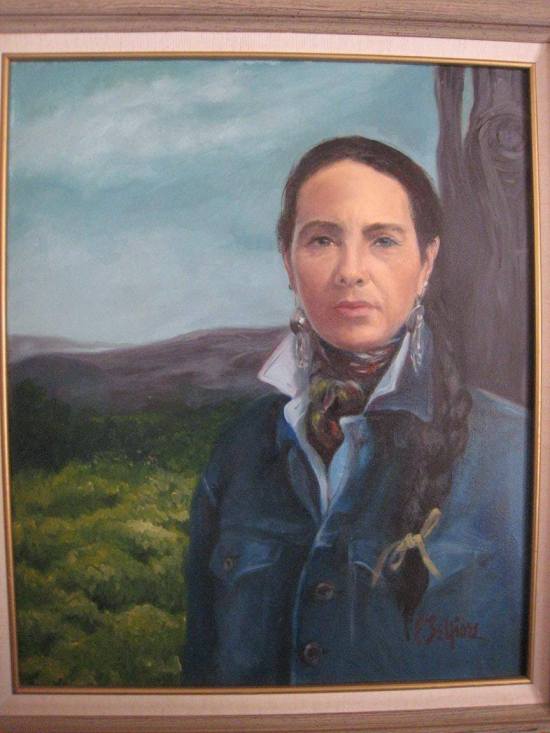
Right now, I am trying to think of ways that I can invite more WOC, their voices, and their work into my classes. I am sure there are several resources for my composition classes, but I am really curious to see if any ChicanX scholars have shared resources as it relates to TW. This is just food for thought that I am working through currently.
Other Thoughts
Addison’s piece regarding empirical work was also really interesting. I spent most of my time at the IWCA conference learning more about assessment and empirical methods in the writing programs. The idea of sampling at random intervals to learn more about literacy was pretty novel to me. I am still a bit confused about what maximizing objectivity means right now. Because when Addison mentioned that between women/men there were no statistical differences and said “this seeming statistical indifference is a call for maximizing objectivity” (p. 147), it made it seem a bit like she was fishing and trying to skew the data in a favorable way — but I really don’t think that is what she meant; I just don’t think I completely understand what maximizing objectivity means.
 Katie Rieger, Portfolio